

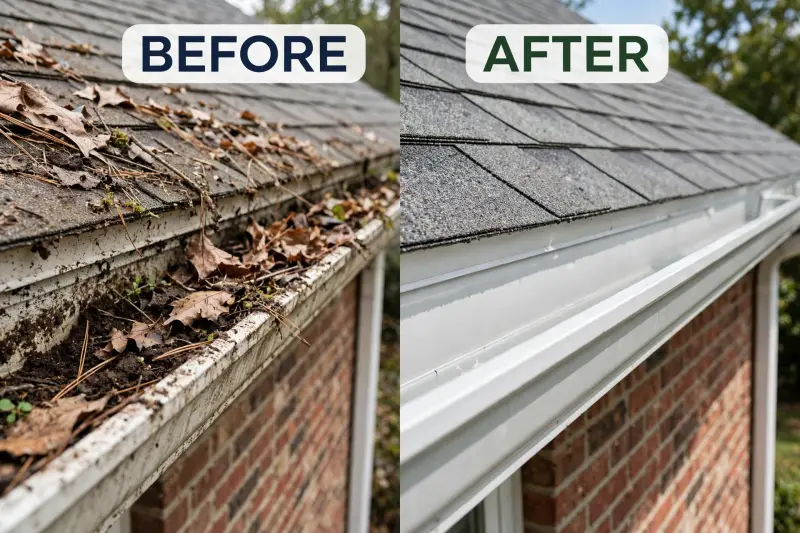
When homeowners in Cincinnati, Mason, Sharonville, and Cleves think about gutter cleaning, their minds usually go straight to overflowing water or protecting the foundation. But as late summer transitions into early fall, a clogged gutter system creates a completely different set of hidden problems that most people don't think about until it's too late.
If you haven’t looked inside your gutters since the spring storms, here is a look at what might actually be brewing up there right now—and why August and September are the critical months to address it.

1. The Ultimate Breeding Ground for Pests
As summer winds down, stagnant water and decomposing organic sludge in clogged gutters turn into a five-star resort for unwanted pests.
Mosquitoes: Even a small pocket of trapped water and wet leaves is enough for mosquitoes to lay hundreds of eggs, keeping them buzzing around your patio just as you're trying to enjoy late-summer evenings.
Rodents and Birds: Mice, squirrels, and birds love finding a warm, debris-packed gutter to set up early nests as the weather begins to cool off at night. Once they're comfortable up top, it's a short trip for them to chew their way into your attic or soffits.
2. Trapped Moisture and Attic Mold
When gutters are choked with leaves, twigs, and roofing grit, water doesn't just spill over the front—it can trap moisture directly against your roof’s wooden fascia boards and eaves.
In the humid heat of August and September, this trapped moisture turns into a breeding ground for mold and mildew.
If moisture wicks under your roof shingles, it can rot the decking boards from the outside in, eventually leading to costly interior roof leaks when the autumn storms hit.
3. Weight Stress and Sagging Spans
People often forget how heavy wet summer debris can be. After months of heavy downpours, the organic material inside your gutters packs down tightly, holding gallons of water like a heavy sponge.
This extra weight strains the spikes and brackets holding your gutters to the house.
If left unaddressed through the fall, the weight can cause gutters to sag, pull away from the roofline, or completely detach when heavy winter weather arrives later in the year.
Localized Challenges Across Our Area
Different parts of the Greater Cincinnati region face unique risks depending on the surrounding tree canopy and terrain:
Mason & Sharonville: Lots of mature maples and oaks mean early-dropping leaves mix with summer dust and helicopter seeds, creating a thick, cement-like sludge by late August.
Cincinnati & Cleves: Homes built near rolling hills or wooded lots deal with high volumes of wind-blown debris that settles into roof valleys and gutters much faster than homeowners expect.
Simple Ways to Stay Ahead of the Mess
1. Do a Visual Ground Check: Look up after a heavy rainstorm. If you see water spilling over the edges instead of rushing out of the downspouts, it's time to clear them out.
2. Clear Early: Tackling the job in late August or September means the weather is still pleasant, and you're clearing out dry or semi-dry debris before autumn leaves fall and mix in.
3. Check Your Extensions: Ensure your downspouts discharge water at least 3 to 4 feet away from your foundation to prevent both pooling and pest attraction near your home's perimeter.
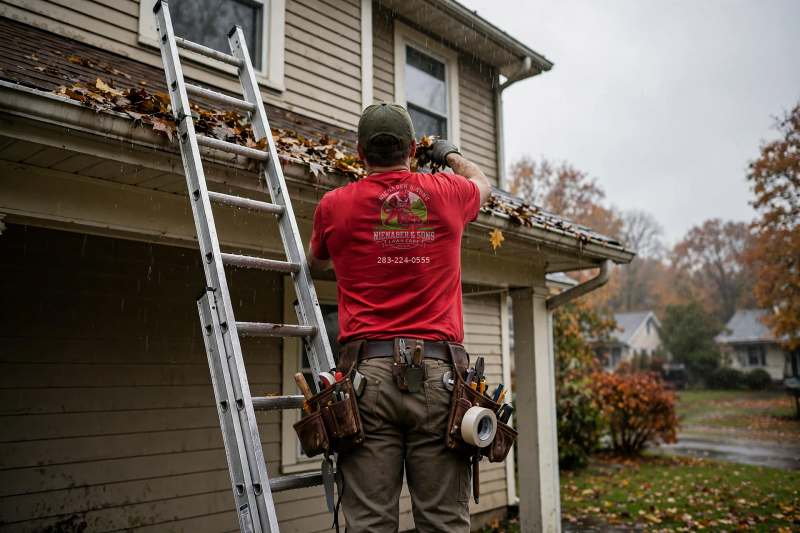
Keeping your gutters clean in late summer goes far beyond just curb appeal—it’s about protecting your roof, keeping pests away, and saving yourself from major headaches down the road.
Are you tackling your home maintenance list this weekend, or would you rather let the professionals handle the ladder work?
Add comment
Comments